Utilising the technology of SQL server reporting services, EIQ2 monitors processing and active tasks and provides an array of ease-of-use SSRS reports (Status, Trends, Counters, Dashboards, Process Flows, Graphs and KPIs, Drill-Downs etc.) in an easily consumable format, to support the administration and maintenance of the EIQ2 solution. Some of these reports concentrate on ETL process flows, such as timings, record counts and data changes. Other reports focus on historical comparisons, data cleansing and auditing and error management.
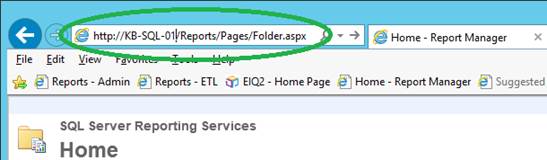
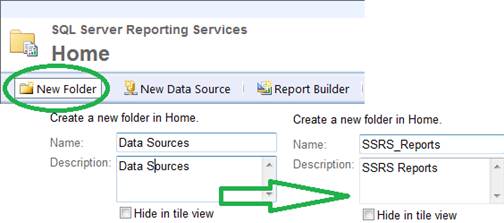
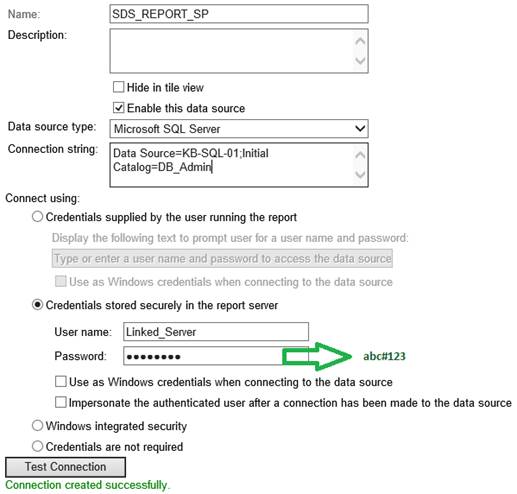
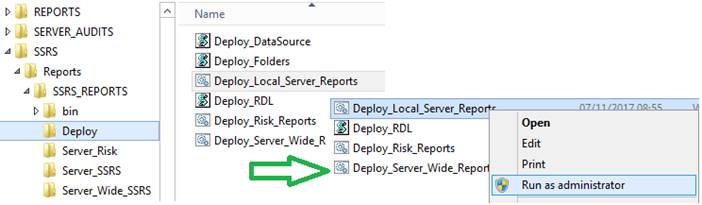
While helping to recognize issues before users experience degradation in performance or possible availability, these SSRS reports make it easier to ensure that the EIQ2 environment is running as expected. The following instructions help to simplify the deployment of the SSRS Reports, and make them readily available to the users via the SSRS portal.
Note: Throughout this document, the following default server reference: “KB-SQL-01”, needs to change to reflect the correct name for the destination EIQ2 SQL server environment.
SELECT Convert(Varchar(200), ISNULL(SERVERPROPERTY(‘SERVERNAME’), HOST_NAME()))